
The Voice of Hind Rajab
The anthem of the genocide, and why movies count.

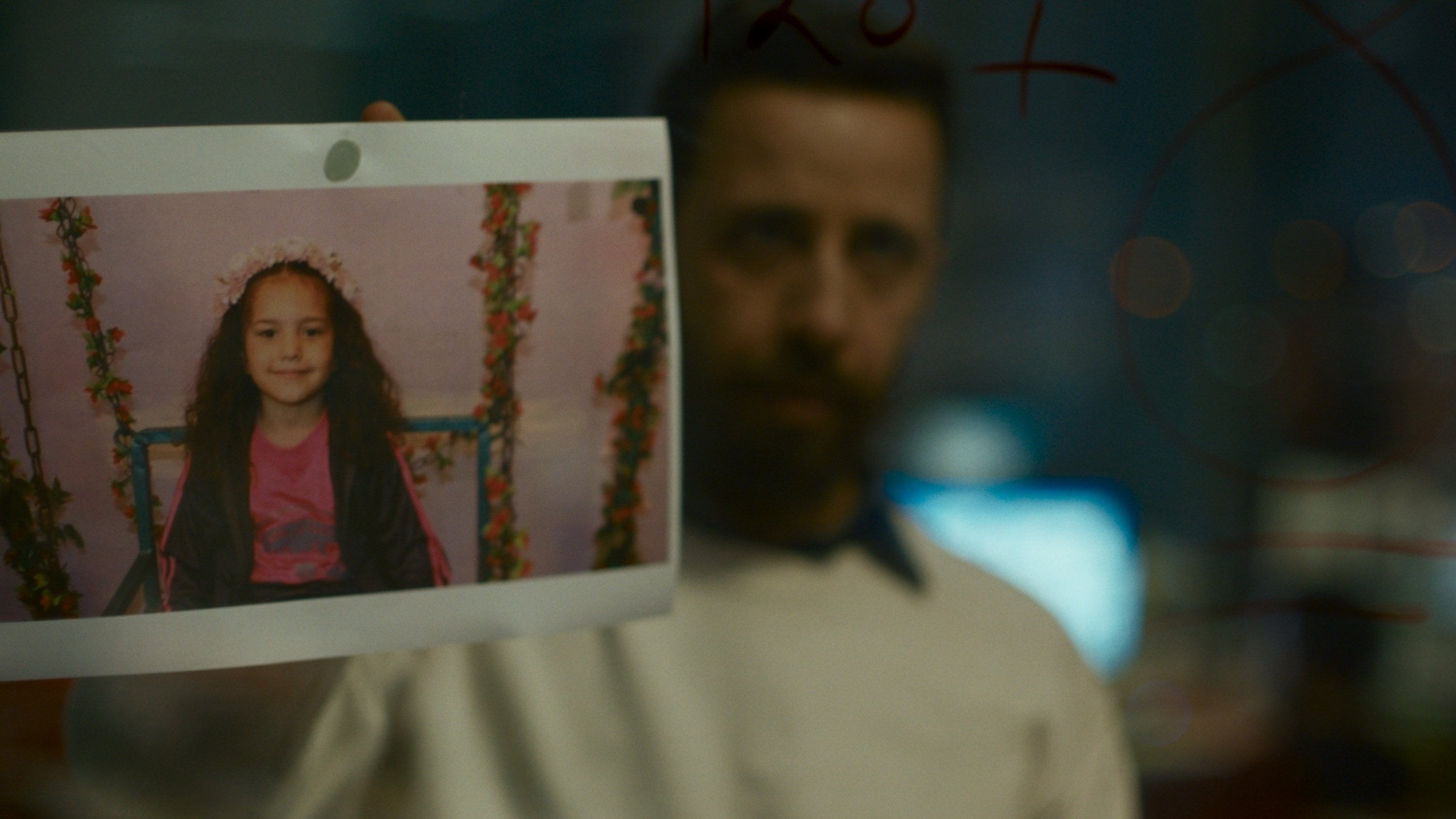
“‘The Voice of Hind Rajab’, which debuted Wednesday at the Venice Film Festival, is a shattering document of the Israel-Hamas war, set entirely inside the dispatch center of the Palestine Red Crescent Society rescue service. The film uses the real audio of Hind’s call, while actors portray the first responders.” - AP News
You heard the call from the car where Hind Rajab (5) and her cousin, Layan Hamadeh (15), lay trapped with the 4 dead bodies of their family. You heard Layan scream as she was killed. Injured Hind stayed on the line, saying she was scared of the dark, asking for help, and then the same Israeli tank killed her and the ambulance workers. Now there’s a movie about it.
Yesterday, ‘The Voice of Hind Rajab’ docudrama received a 23-minute standing ovation at the Venice Film Festival. The rich rarely denounce Israel and the American/European war machine in meaningful fashion, but at least they clap when dressed beautifully. And they’ll probably give it an Oscar next year.
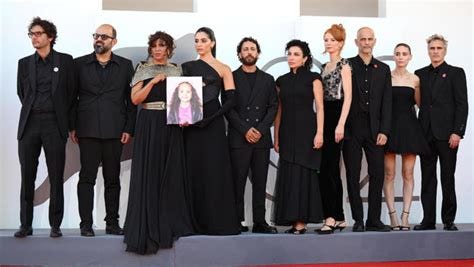
Constipated celebrities count.
Not constipated celebrities count more, i.e., Joaquin Phoenix, Brad Pitt and Rooney Mara are promoting the movie. So are profound directors Alfonso Cuaron (‘Roma’ and ‘Harry Potter and the Prisoner of Azkaban’) and Jonathan Glazer (‘Under the Skin’ and ‘The Zone of Interest’).
The resolution of the turgid International Association of Genocide counts.
Hind Rajab’s death counts more than the death of all those younger and older, including the two ambulance drivers who tried to rescue her, because her voice lives within us. She’s the anthem of the genocide and my tears (which are droplets of counting).
Attention counts because changing the view of hundreds of millions of people is the first step. There’s no meaningful second step towards anti-war action without the first.
So, I’m asking you to bookmark ‘The Voice of Hind Rajab’ and label it as “Feb 2026”. That’s when we’ll search for the Public release date. When it arrives, take people to watch it, or organise a screening at home.
In the meanwhile, listen to that recording of Hind and Layan again.
There are the voices of nine-year-old Elaf, and eleven-year-old Zakaria who assists the paramedics.
Then watch ‘5 Broken Cameras’ which, from birth, chronicles the first 5 years of the West Bank life of Gibreel Burnat (streaming options). The power of film was evident after its screening to Israeli youth.
THE MOVIE
Tunisia’s Kaouther Ben Hania directs ‘The Voice of Hind Rajab’. She made a name for herself with the narrative features ‘Beauty and the Dogs’ and ‘The Man Who Sold his Skin’. But it’s her ‘Four Daughters’, one of the essential and most original documentaries, that gives me confidence in her ability to handle the Rajab family, and the weight of their death on us.
She said: “The heart of this film is something very simple, and very hard to live with. I cannot accept a world where a child calls for help and no one comes. That pain, that failure, belongs to all of us. This story is not just about Gaza. It speaks to a universal grief. I believe that fiction (especially when it draws from verified, painful, real events) is cinema’s most powerful tool. More powerful than the noise of breaking news or the forgetfulness of scrolling. Cinema can preserve a memory. Cinema can resist amnesia.”
Movies count!
NB: There’s yet to be a trailer for ‘The Voice of Hind Rajab’.